
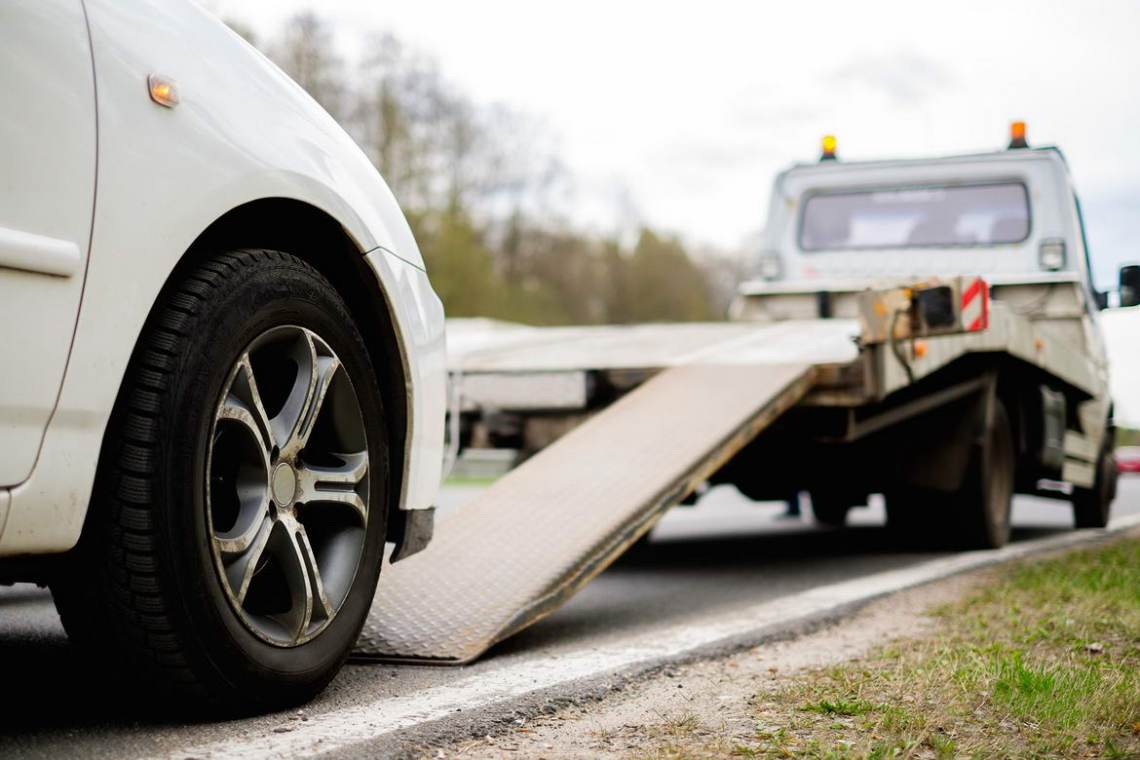
Understanding Towing for Rental Vehicles When dealing with rental vehicles, it’s important to be aware of insurance coverage, towing charges, and choosing a reliable company. Ensuring that you’re clear on these aspects helps avoid surprises and ensures a smooth towing process. Here’s a detailed look at essential considerations:
Rental Vehicle Towing Insurance Options
- Coverage Details: Rental companies often offer towing insurance as part of their rental policies, but coverage levels can vary. Review the rental agreement to understand what’s included, such as roadside assistance or towing to the nearest repair shop.
- Additional Insurance: Some rental companies may require you to purchase extra coverage for towing. Ensure you clarify these terms to avoid unexpected costs.
Understanding Towing Charges
- Fee Structure: Towing companies usually have a base fee, which includes the initial hookup and transportation. Additional charges may apply based on distance, vehicle type, and special services.
- Insurance Impact: Your rental insurance might cover towing costs, but check if there are any additional out-of-pocket expenses you may need to cover.
Selecting a Reliable Towing Company
- Reputation: Choose companies with good reviews and a solid industry reputation. Recommendations and online reviews can provide insights.
- Experience: Opt for companies experienced in towing rental vehicles, as they are better equipped to handle various situations.
- Availability: Ensure the company offers 24/7 services to handle emergencies at any time.
- Insurance Coverage: Verify that the towing company has adequate insurance to cover potential damages.
- Transparent Pricing: Choose a company that provides clear pricing upfront to avoid hidden fees.
Towing Restrictions for Rental Vehicles
- Rental Agreement Terms: Rental agreements often include restrictions on towing trailers or other vehicles. Review these terms carefully to avoid violations.
- Compliance: Ensure you adhere to the towing restrictions outlined in the rental agreement to avoid unexpected charges or complications.
Steps to Take Before Towing Begins
- Safety Precautions: Perform a thorough inspection of both the towing equipment and the vehicle being towed. Secure loose items and check tire pressure.
- Documentation: Have all necessary documentation, including rental agreements and insurance information, readily available.
Communicating With the Rental Company
- Clear Information: Provide detailed and clear information about the situation to the rental company. This helps them assist you more effectively.
- Customer Service: Effective communication enhances the overall towing experience and ensures you receive the assistance you need.
Handling Towing Emergencies Efficiently
- Insurance Review: Understand the coverage provided by your rental company to avoid unexpected expenses.
- Emergency Procedures: Familiarize yourself with the rental company’s emergency procedures to handle situations swiftly.
Tips for a Smooth Towing Experience
- Communicate Clearly: Provide accurate details about the vehicle’s location and issues.
- Follow Procedures: Adhere to towing company guidelines to ensure an efficient process.
- Utilize Roadside Assistance: Use any roadside assistance programs offered by the rental company.
- Stay Calm: Maintaining composure helps manage the situation better.
- Ask Questions: Clarify any uncertainties with the towing service to avoid misunderstandings.
Legal Considerations for Towed Rental Vehicles
- Rental Agreements: Understand the rental agreement’s terms regarding towing and related regulations.
- Liability for Damages: Check insurance coverage for damage during towing.
- Notification and Charges: Be aware of notification procedures and potential additional charges for towing services.
Conclusion Navigating towing services for rental vehicles involves understanding insurance options, towing charges, and selecting a reliable company. Following the necessary steps and communicating effectively with the rental company can ensure a smooth towing experience. Stay informed and prepared to handle any towing situation efficiently.