

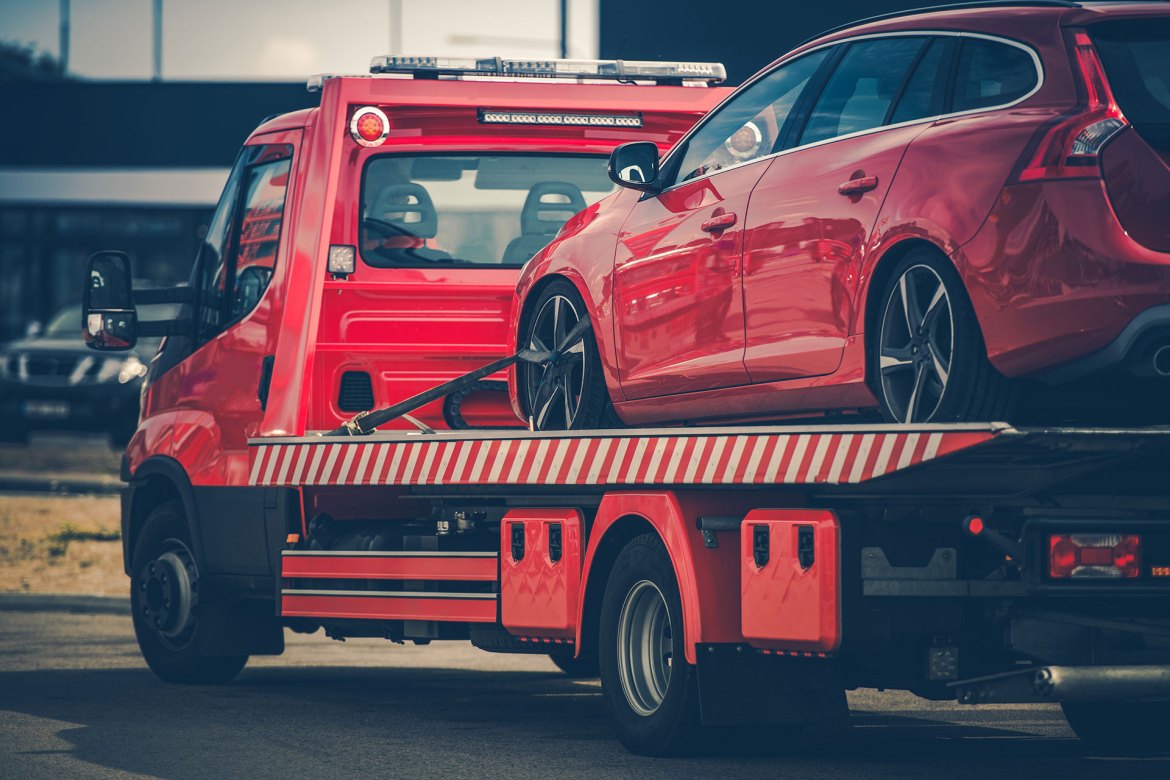
There’s never really a good time for a tow, as nobody plans to get their vehicle towed; it just happens. However, there are certain things you can always expect when dealing with a breakdown-based tow. If you’ve never experienced a need to call for towing, here’s what to expect.
Think Safety While Waiting for Towing Service
Safety should be your top priority when your car breaks down. Here are some scenarios and tips to keep you safe:
- No Start Condition in a Parking Space: If your car doesn’t start while parked, consider yourself lucky. In this situation, you can remain in your vehicle and wait for the tow truck driver. They may be able to jumpstart your car, allowing you to get back on the road quickly.
- Breakdown While Driving: If your car breaks down while driving, immediately turn on your hazard lights. Carefully and slowly maneuver your vehicle to the shoulder of the road. Try to keep good visibility behind your car to alert other drivers of your situation. This step is crucial for preventing accidents and ensuring your safety.
Call for Help and a Ride Home
Once your car is safely away from traffic, it’s time to make a couple of important calls:
- Call a Tow Truck Service: Contact your local tow truck service and ask, “Do you have towing near me?” Provide as much information as possible about your specific location to help them find you quickly.
- Notify Family or Friends: Call a family member or friend to let them know you’ve broken down. Ask for a ride or simply notify them of your location to ensure someone is aware of your situation.
You Have the Option to Wait
Waiting for a tow truck can be stressful, but a reliable towing company will minimize your wait time. Here’s what you can do while you wait:
- Expect a Short Wait Time: If you’re working with a reputable towing company, you shouldn’t have to wait long. For instance, a Towing Company in Salt Lake City, Utah, will dispatch one of their licensed tow truck operators to your location within minutes.
- Prepare for the Tow: While you wait, prepare for the arrival of the tow truck driver. Gather any personal items you might need while your car is at the repair shop. This will make the towing process smoother and ensure you have everything you need.
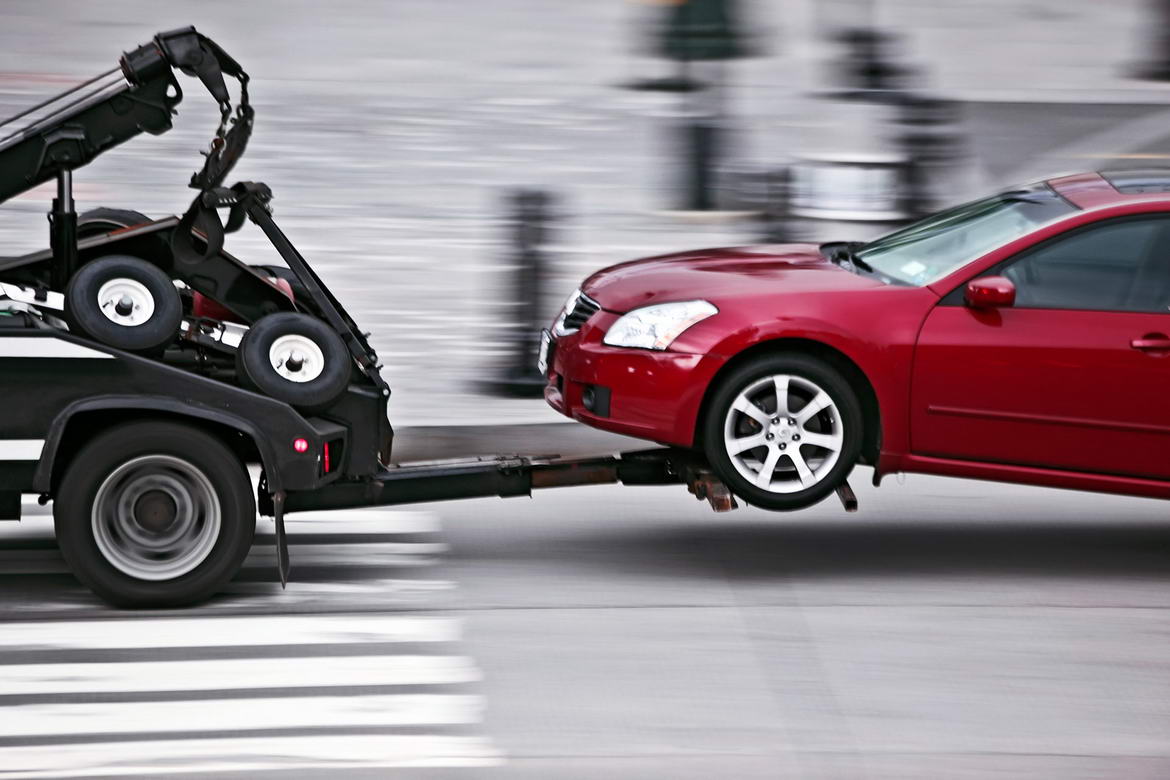
Towing services often come to the rescue during stressful roadside situations, but what about the financial aspects of towing and how it relates to your insurance? Understanding the relationship between towing and insurance is essential to avoid unexpected expenses and ensure peace of mind. In this article, we’ll delve into what you need to know about towing and insurance.
Towing Coverage in Your Insurance Policy
First and foremost, it’s crucial to review your auto insurance policy to determine if it includes towing coverage. Many insurance companies offer optional towing and roadside assistance coverage, which can be added to your policy for an additional premium. This coverage typically includes services like towing to a repair facility, jump-starts, tire changes, lockout assistance, and fuel delivery.
Towing Limits and Restrictions
When you have towing coverage in your insurance policy, there are often limits and restrictions to be aware of:
- Distance: Some policies limit the distance that your vehicle can be towed under the coverage. Make sure you understand this limit and how it may affect your towing needs.
- Service Providers: Insurance companies may have preferred towing service providers, and they may require you to use these providers to receive coverage. Check if there are limitations on which towing companies you can call.
- Cost Limits: There may be a cap on the maximum amount your insurance will cover for towing services. If the towing cost exceeds this limit, you’ll be responsible for the remaining expenses.
Towing Without Coverage
If your insurance policy doesn’t include towing coverage or you exceed the coverage limits, you’ll need to pay for towing services out of pocket. Towing fees can vary depending on the distance, type of tow needed, and location. It’s essential to ask for a cost estimate before agreeing to the service.
Roadside Assistance Memberships
In addition to insurance coverage, you can also consider roadside assistance memberships from organizations like AAA or other automobile clubs. These memberships often include towing services and can provide peace of mind, especially if your insurance policy doesn’t offer comprehensive towing coverage.
Keep Records
Whether you’re using insurance coverage or paying out of pocket, it’s essential to keep records of any towing transactions. This includes invoices, receipts, and any communication with the towing company. Having documentation can help you in case of disputes or reimbursement claims.
Emergency Services
In emergency situations, prioritize your safety and the safety of your vehicle. If you’re in an accident or breakdown, call for towing assistance as needed, and don’t hesitate to contact your insurance company to determine coverage details while waiting for the tow truck to arrive.
Choose a Reputable Towing Company
When selecting a towing company, opt for a reputable and licensed provider like Salt Lake City Towing. Ensure they have the necessary insurance and credentials to operate safely. Trusted towing companies will also help you navigate insurance-related questions and documentation.
Conclusion
Understanding the relationship between towing and insurance can save you from unexpected expenses and ensure a smoother roadside assistance experience. Whether you have insurance coverage or not, it’s essential to have a reliable towing partner you can count on when you need assistance on the road.

Having your vehicle impounded can be inconvenient and frustrating. But knowing your rights and the impound process can help you get your car or truck back as quickly as possible. This guide will provide an overview of impound services and advice for reclaiming your impounded vehicle.
Why Do Vehicles Get Impounded?
There are a few main reasons a vehicle may be towed to an impound lot:
- Illegally parked, such as in a no parking zone or blocking a fire hydrant
- Involved in an accident and deemed unable to be driven
- Abandoned on public property
- Part of a criminal investigation or arrest
- Unregistered or uninsured
Police and parking enforcement have the authority to request a tow truck remove and impound a vehicle violating parking laws or vehicle regulations. Private property owners can also have unauthorized or abandoned vehicles on their property towed away at the owner’s expense.
Locating Your Impounded Vehicle
The first step is finding out where your car or truck was towed. If it was impounded by police, they should provide you with impound lot information. You can also call the local police non-emergency number and provide details like the license plate number to get impound info.
For vehicles towed from private property, you’ll need to contact the property owner or manager. They should have documentation stating which tow company removed the vehicle and its destination.
Many cities have searchable online impound vehicle databases you can check using the license plate or VIN number. This can help track down the impound lot location.
Getting Your Vehicle Out of Impound
Once you know where your car is impounded, you’ll need to go there in person and provide ownership documentation like the title or registration to claim it. You may also need to show a driver’s license and proof of insurance.
Be prepared to pay all accrued impound fees and towing charges before the lot will release your vehicle. Fees are usually calculated by the day, so the sooner you reclaim your vehicle, the less it will cost you. Make sure to get a receipt for your records.
Depending on why your vehicle was impounded, you may also need to resolve any outstanding issues like unpaid tickets or lack of proper registration before the impound lot can release it.
Avoiding Common Impound Problems
Getting your car or truck out of impound can be a hassle. Here are some tips to avoid having your vehicle towed in the first place:
- Obey all parking laws and signs to avoid illegal parking tow aways. Set a timer if parked at a meter.
- If storing a vehicle long-term, keep it on private property off the street.
- Sell or properly scrap unwanted vehicles rather than abandoning them.
- Register your vehicle properly in your state and keep insurance coverage active.
- Resolve any unpaid tickets or outstanding violations to avoid enforcement towing.
- Keep vehicles in working order and driveable condition.
- Ask property owners before parking on their lot to prevent unauthorized towing.
Knowing the impound process, your rights, and taking preventative measures will help get your car back on the road and avoid towing headaches. With the proper documentation and fees, reclaiming your impounded vehicle can be straightforward.
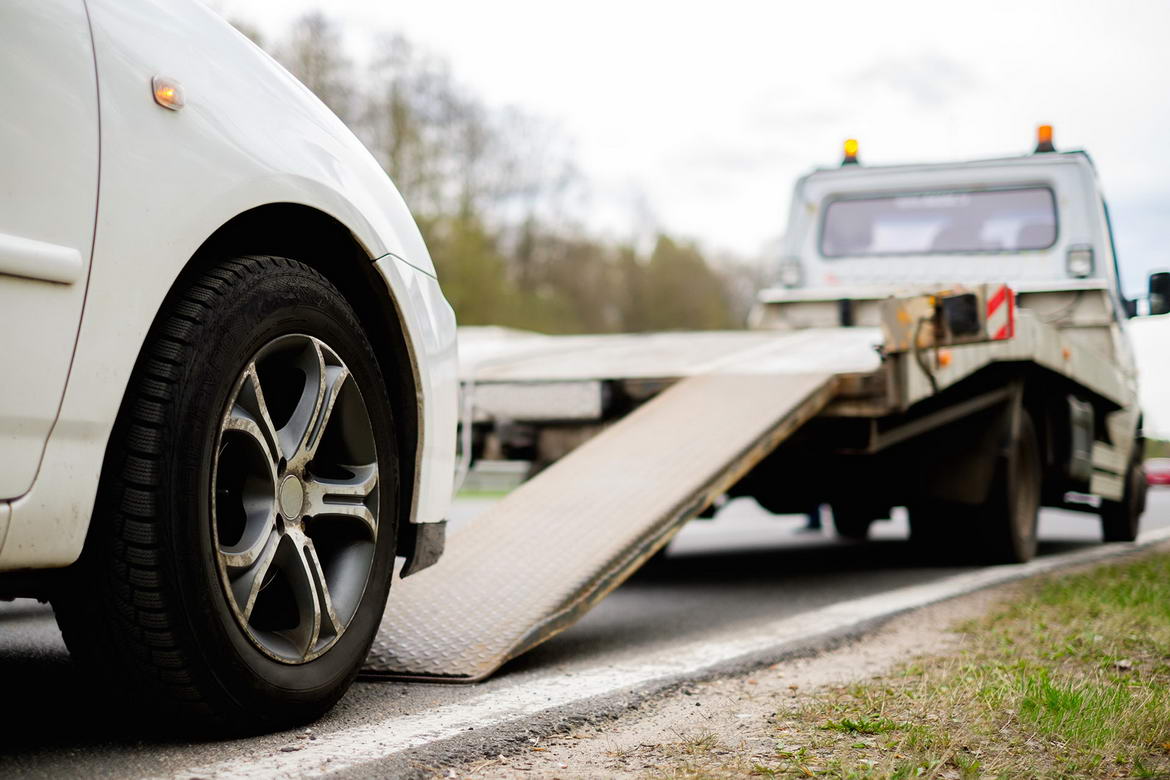
Car breakdowns can be frustrating and stressful, especially when they catch you off guard. Whether you’re on a road trip or just commuting to work, knowing what to do when your car breaks down is essential. In this guide, brought to you by Canyon Crest Towing, we’ll provide you with valuable tips and tricks to navigate these situations safely and efficiently.
Chapter 1: Staying Safe
1.1 Find a Safe Spot The moment you notice your car acting up, try to find a safe place to pull over. If you’re on the highway, look for an exit or a rest area. Parking on the shoulder can be dangerous, so make sure you’re as far away from traffic as possible.
1.2 Turn on Hazard Lights Alert other drivers by turning on your hazard lights. This signals that your vehicle is in distress and helps prevent accidents.
1.3 Exit the Vehicle Safely After parking safely, exit your vehicle from the passenger side if possible. This minimizes the risk of stepping into oncoming traffic.
Chapter 2: Diagnosing the Issue
2.1 Stay Calm and Assess Take a deep breath and remain calm. Assess the situation and try to identify the problem. Is it a flat tire, engine trouble, or something else?
2.2 Call for Help If you can’t diagnose the issue or it’s beyond your ability to fix, it’s time to call for help. Dial 801-701-1233 to reach out to Canyon Crest Towing for assistance. We’re just a phone call away.
Chapter 3: Essential Towing Tips
3.1 Towing Your Vehicle If your car needs to be towed, follow these guidelines:
- Ensure the tow truck operator is licensed and insured.
- Ask for an estimate and discuss the towing process.
- Remove personal belongings from your car.
3.2 Know Your Destination Before the tow truck arrives, confirm the destination of your vehicle. Is it going to a repair shop, your home, or another location? Communicate this clearly with the tow truck driver.
3.3 Stay Informed Ask the tow truck operator for an estimated arrival time at your chosen destination. This helps you plan your next steps accordingly.
Chapter 4: Preventive Measures
4.1 Regular Maintenance To reduce the risk of breakdowns, schedule regular maintenance for your vehicle. This includes oil changes, tire rotations, and brake inspections.
4.2 Emergency Kit Keep an emergency kit in your car. It should include items like a flashlight, jumper cables, a first-aid kit, and essential tools.
4.3 Roadside Assistance Consider investing in a roadside assistance plan. Services like this can provide peace of mind knowing help is just a call away.