

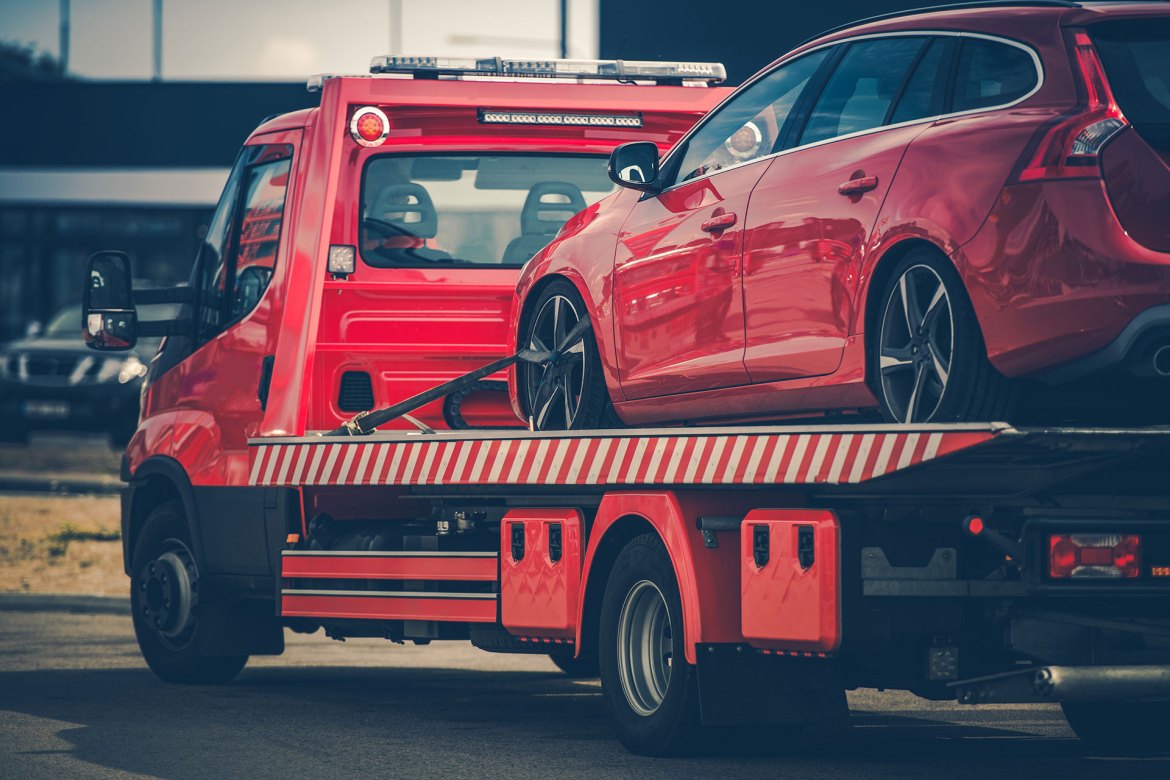
There’s never really a good time for a tow, as nobody plans to get their vehicle towed; it just happens. However, there are certain things you can always expect when dealing with a breakdown-based tow. If you’ve never experienced a need to call for towing, here’s what to expect.
Think Safety While Waiting for Towing Service
Safety should be your top priority when your car breaks down. Here are some scenarios and tips to keep you safe:
- No Start Condition in a Parking Space: If your car doesn’t start while parked, consider yourself lucky. In this situation, you can remain in your vehicle and wait for the tow truck driver. They may be able to jumpstart your car, allowing you to get back on the road quickly.
- Breakdown While Driving: If your car breaks down while driving, immediately turn on your hazard lights. Carefully and slowly maneuver your vehicle to the shoulder of the road. Try to keep good visibility behind your car to alert other drivers of your situation. This step is crucial for preventing accidents and ensuring your safety.
Call for Help and a Ride Home
Once your car is safely away from traffic, it’s time to make a couple of important calls:
- Call a Tow Truck Service: Contact your local tow truck service and ask, “Do you have towing near me?” Provide as much information as possible about your specific location to help them find you quickly.
- Notify Family or Friends: Call a family member or friend to let them know you’ve broken down. Ask for a ride or simply notify them of your location to ensure someone is aware of your situation.
You Have the Option to Wait
Waiting for a tow truck can be stressful, but a reliable towing company will minimize your wait time. Here’s what you can do while you wait:
- Expect a Short Wait Time: If you’re working with a reputable towing company, you shouldn’t have to wait long. For instance, a Towing Company in Salt Lake City, Utah, will dispatch one of their licensed tow truck operators to your location within minutes.
- Prepare for the Tow: While you wait, prepare for the arrival of the tow truck driver. Gather any personal items you might need while your car is at the repair shop. This will make the towing process smoother and ensure you have everything you need.
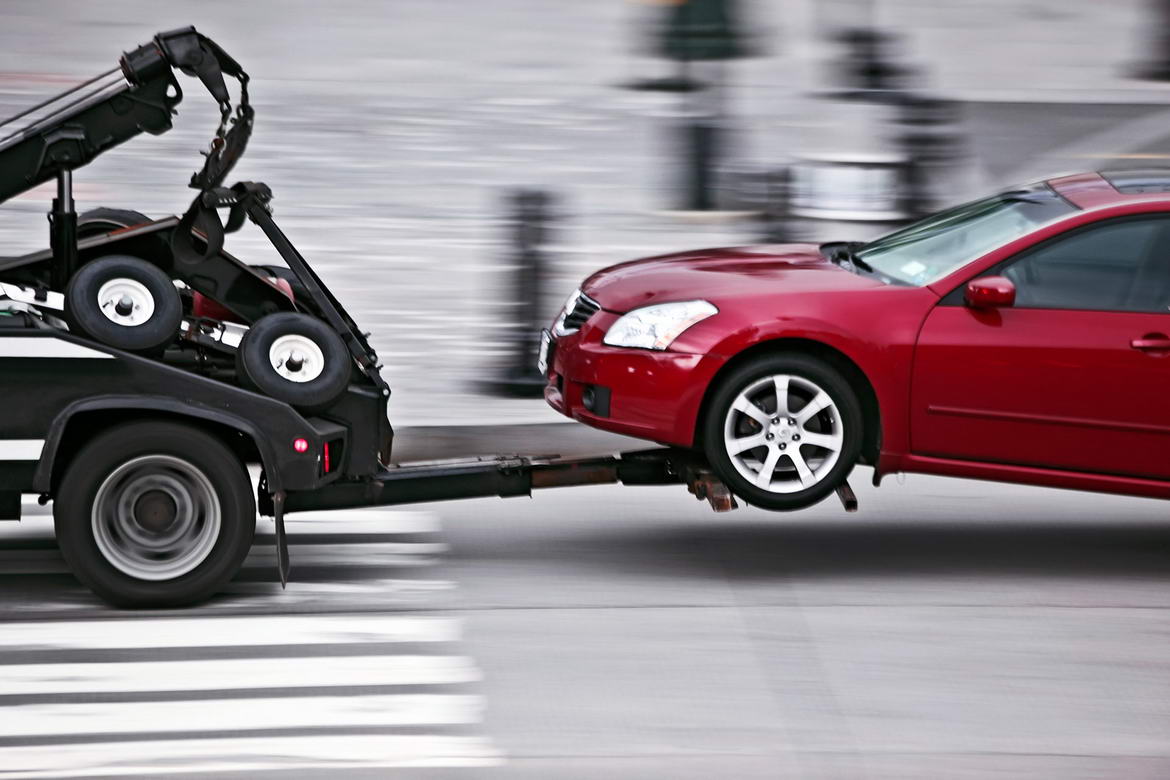
Towing services often come to the rescue during stressful roadside situations, but what about the financial aspects of towing and how it relates to your insurance? Understanding the relationship between towing and insurance is essential to avoid unexpected expenses and ensure peace of mind. In this article, we’ll delve into what you need to know about towing and insurance.
Towing Coverage in Your Insurance Policy
First and foremost, it’s crucial to review your auto insurance policy to determine if it includes towing coverage. Many insurance companies offer optional towing and roadside assistance coverage, which can be added to your policy for an additional premium. This coverage typically includes services like towing to a repair facility, jump-starts, tire changes, lockout assistance, and fuel delivery.
Towing Limits and Restrictions
When you have towing coverage in your insurance policy, there are often limits and restrictions to be aware of:
- Distance: Some policies limit the distance that your vehicle can be towed under the coverage. Make sure you understand this limit and how it may affect your towing needs.
- Service Providers: Insurance companies may have preferred towing service providers, and they may require you to use these providers to receive coverage. Check if there are limitations on which towing companies you can call.
- Cost Limits: There may be a cap on the maximum amount your insurance will cover for towing services. If the towing cost exceeds this limit, you’ll be responsible for the remaining expenses.
Towing Without Coverage
If your insurance policy doesn’t include towing coverage or you exceed the coverage limits, you’ll need to pay for towing services out of pocket. Towing fees can vary depending on the distance, type of tow needed, and location. It’s essential to ask for a cost estimate before agreeing to the service.
Roadside Assistance Memberships
In addition to insurance coverage, you can also consider roadside assistance memberships from organizations like AAA or other automobile clubs. These memberships often include towing services and can provide peace of mind, especially if your insurance policy doesn’t offer comprehensive towing coverage.
Keep Records
Whether you’re using insurance coverage or paying out of pocket, it’s essential to keep records of any towing transactions. This includes invoices, receipts, and any communication with the towing company. Having documentation can help you in case of disputes or reimbursement claims.
Emergency Services
In emergency situations, prioritize your safety and the safety of your vehicle. If you’re in an accident or breakdown, call for towing assistance as needed, and don’t hesitate to contact your insurance company to determine coverage details while waiting for the tow truck to arrive.
Choose a Reputable Towing Company
When selecting a towing company, opt for a reputable and licensed provider like Salt Lake City Towing. Ensure they have the necessary insurance and credentials to operate safely. Trusted towing companies will also help you navigate insurance-related questions and documentation.
Conclusion
Understanding the relationship between towing and insurance can save you from unexpected expenses and ensure a smoother roadside assistance experience. Whether you have insurance coverage or not, it’s essential to have a reliable towing partner you can count on when you need assistance on the road.

Having your vehicle impounded can be inconvenient and frustrating. But knowing your rights and the impound process can help you get your car or truck back as quickly as possible. This guide will provide an overview of impound services and advice for reclaiming your impounded vehicle.
Why Do Vehicles Get Impounded?
There are a few main reasons a vehicle may be towed to an impound lot:
- Illegally parked, such as in a no parking zone or blocking a fire hydrant
- Involved in an accident and deemed unable to be driven
- Abandoned on public property
- Part of a criminal investigation or arrest
- Unregistered or uninsured
Police and parking enforcement have the authority to request a tow truck remove and impound a vehicle violating parking laws or vehicle regulations. Private property owners can also have unauthorized or abandoned vehicles on their property towed away at the owner’s expense.
Locating Your Impounded Vehicle
The first step is finding out where your car or truck was towed. If it was impounded by police, they should provide you with impound lot information. You can also call the local police non-emergency number and provide details like the license plate number to get impound info.
For vehicles towed from private property, you’ll need to contact the property owner or manager. They should have documentation stating which tow company removed the vehicle and its destination.
Many cities have searchable online impound vehicle databases you can check using the license plate or VIN number. This can help track down the impound lot location.
Getting Your Vehicle Out of Impound
Once you know where your car is impounded, you’ll need to go there in person and provide ownership documentation like the title or registration to claim it. You may also need to show a driver’s license and proof of insurance.
Be prepared to pay all accrued impound fees and towing charges before the lot will release your vehicle. Fees are usually calculated by the day, so the sooner you reclaim your vehicle, the less it will cost you. Make sure to get a receipt for your records.
Depending on why your vehicle was impounded, you may also need to resolve any outstanding issues like unpaid tickets or lack of proper registration before the impound lot can release it.
Avoiding Common Impound Problems
Getting your car or truck out of impound can be a hassle. Here are some tips to avoid having your vehicle towed in the first place:
- Obey all parking laws and signs to avoid illegal parking tow aways. Set a timer if parked at a meter.
- If storing a vehicle long-term, keep it on private property off the street.
- Sell or properly scrap unwanted vehicles rather than abandoning them.
- Register your vehicle properly in your state and keep insurance coverage active.
- Resolve any unpaid tickets or outstanding violations to avoid enforcement towing.
- Keep vehicles in working order and driveable condition.
- Ask property owners before parking on their lot to prevent unauthorized towing.
Knowing the impound process, your rights, and taking preventative measures will help get your car back on the road and avoid towing headaches. With the proper documentation and fees, reclaiming your impounded vehicle can be straightforward.
No one wants to find themselves in a situation where they need a towing service, but emergencies can happen to anyone on the road. Understanding the common reasons for needing a towing service can help you be prepared and make the right decisions when faced with an unexpected situation. In this article, we’ll explore some of the most common reasons why people require towing services.
1. Vehicle Breakdown
A vehicle breakdown is one of the most common reasons for needing a towing service. It can be caused by various factors, including engine problems, transmission issues, or mechanical failures. When your vehicle suddenly stops running or becomes unsafe to drive, calling for a tow is the safest option.
2. Flat Tires
Flat tires are a frequent occurrence on the road. While many drivers can change a flat tire themselves, some situations may require professional assistance. If you don’t have a spare tire, lack the necessary tools, or if the tire is severely damaged, calling a towing service is the right choice.
3. Battery Issues
Dead batteries can leave you stranded. While jumpstarting your vehicle can often resolve the issue, there are cases where the battery is beyond revival and needs replacement. Towing services can provide jumpstarts and even deliver a new battery if necessary.
4. Out of Gas
Running out of fuel on the road is more common than you might think. It can happen due to oversight or miscalculation. Towing services can deliver fuel to your location, saving you the trouble of walking to the nearest gas station.
5. Accidents
Accidents can lead to significant damage to your vehicle, making it unsafe to drive. In such cases, a towing service is essential to transport your vehicle to a repair shop or a designated location.
6. Lockouts
Locking your keys inside your vehicle can happen to anyone. Towing services often provide lockout assistance, helping you regain access to your car without causing any damage.
7. Stuck in Off-Road Conditions
If your vehicle becomes stuck in mud, snow, sand, or a ditch, it may be challenging to free it on your own without causing damage. Towing services have the equipment to safely winch and recover your vehicle.
8. Overheating
Vehicles can overheat due to various issues, including coolant leaks or engine problems. Driving an overheated vehicle can lead to severe damage, so it’s essential to pull over and call for a tow.
9. Transmission Issues
Transmission problems can render your vehicle undriveable. Towing is often necessary when the transmission fails or malfunctions.
10. Towing for Special Vehicles
Some situations require towing services for specialty vehicles such as motorcycles, boats, or RVs. Specialized tow trucks and equipment are needed to transport these vehicles safely.
Knowing the common reasons for needing a towing service can help you be prepared for unexpected situations on the road. Whether you’re dealing with a breakdown, a flat tire, or any other roadside issue, having a reliable towing service like Canyon Crest Towing on your side can make all the difference.

Welcome to Canyon Crest Towing’s comprehensive guide on safe towing practices! Towing can be a complex task, and safety should always be your top priority. This guide will walk you through the essential steps and tips to ensure your towing experience is smooth and secure. From preparing your vehicle to choosing the right equipment, we’ve got you covered.
Chapter 1: Understanding Towing Basics
What is Towing? Towing involves pulling one vehicle (the towed) behind another (the tow vehicle). It’s commonly used for transporting everything from boats and trailers to broken-down cars. Proper knowledge and adherence to safety guidelines are crucial to avoid accidents and ensure a safe towing experience.
Types of Towing Different types of towing require specific techniques and equipment:
- Flatbed Towing: This method uses a flatbed trailer to carry the entire vehicle. It’s ideal for transporting cars, especially those that are damaged or inoperable.
- Dolly Towing: Suitable for front-wheel-drive vehicles, this method involves a tow dolly that lifts the front wheels of the vehicle while the rear wheels remain on the road.
- Tow-Bar Towing: This involves connecting the towed vehicle directly to the tow vehicle with a tow bar. It’s generally used for smaller vehicles and recreational vehicles.
Towing Capacity Understanding your vehicle’s towing capacity is vital. Exceeding this limit can cause accidents and damage. Check your vehicle’s manual or consult the manufacturer for the correct towing capacity.
Chapter 2: Safety First
Vehicle Inspection Before towing, thoroughly inspect your tow vehicle:
- Engine, Brakes, and Lights: Ensure these are in proper working order.
- Tires: Check that they are properly inflated and in good condition.
- Steering and Suspension: Verify that these components are functioning correctly.
Trailer Inspection Inspecting the trailer is equally important:
- Trailer Hitch: Ensure it is securely attached to the tow vehicle.
- Tires, Brakes, and Lights: Check these to confirm they are functioning properly.
- Load Distribution: Ensure the load is evenly distributed to prevent swaying and instability.
Load Distribution Proper load distribution is crucial for safe towing:
- Heavier Items: Place heavier items at the bottom of the trailer.
- Even Distribution: Ensure the load is evenly distributed from side to side.
- Weight Limits: Make sure the trailer’s weight does not exceed the tow vehicle’s capacity.
Chapter 3: Towing Equipment
Tow Hitch Selecting the right tow hitch is essential:
- Type of Hitch: Choose the hitch type that matches your towing needs.
- Class of Hitch: Ensure it aligns with your vehicle’s towing capacity.
- Installation and Maintenance: Proper installation and maintenance of the hitch are crucial for safety.
Safety Chains Safety chains act as a backup if the trailer becomes disconnected. Always cross them under the hitch to catch the trailer’s tongue in case of detachment.
Trailer Brakes Trailers over a certain weight should have their own brakes. These brakes help in stopping the trailer safely and reduce the strain on your tow vehicle.
Chapter 4: Safe Towing Practices
Accelerating and Braking When towing:
- Accelerate Gradually: Avoid jerking and sudden movements.
- Allow Extra Space for Braking: The added weight requires more stopping distance.
Turning and Lane Changes When making turns and changing lanes:
- Take Turns Slowly: This prevents swaying and instability.
- Use Turn Signals Early: Alert other drivers of your intentions well in advance.
Hills and Downgrades When driving on hills:
- Descending: Use engine braking to control speed and prevent overheating.
- Ascending: Maintain a steady pace to avoid straining the engine.
Chapter 5: Legal Considerations
Towing Regulations Familiarize yourself with local and state towing regulations, including speed limits and trailer requirements. Adhering to these laws ensures compliance and safety.
Licensing and Insurance Ensure you have the necessary licenses and insurance for towing. Violating these laws can result in fines and penalties.